
Product Care And Maintenance
Complete Care Guide for 3D Printed Hoodies

Dec
Your 3D printed hoodie is a statement piece with bold, eye-catching graphics—so it deserves the right care to stay looking sharp. Whether your hoodie comes from Teeisis or another brand, knowing the proper washing methods can dramatically extend its lifespan. In this guide, you’ll learn expert-approved techniques to prevent cracking, fading, and early wear so your hoodie stays fresh and vibrant for years.
What Makes 3D Printed Hoodies Different ?
Before exploring the correct way to wash 3D printed hoodies, it helps to understand what sets them apart from regular garments. Most 3D-style hoodies are produced using modern printing technologies such as Direct-to-Garment (DTG), Direct-to-Film (DTF), screen printing, and heat transfer vinyl.
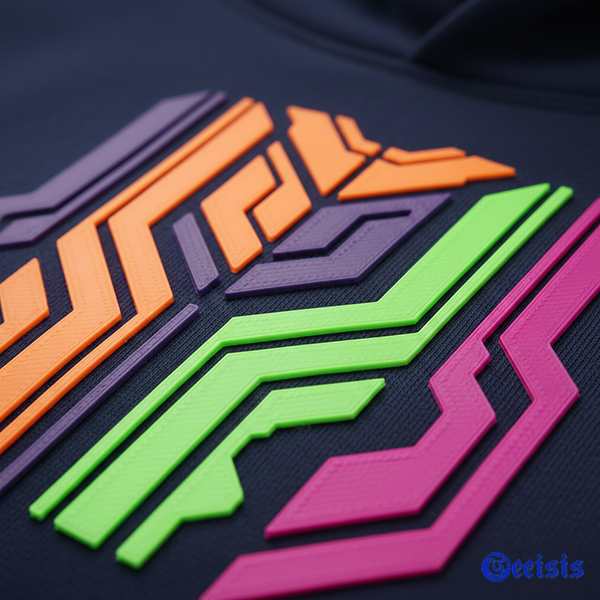
These techniques place ink or transfer layers on the surface of the fabric, creating raised or textured elements that form a three-dimensional look. Because the print sits on top of the material rather than within the fibers, it is more vulnerable to friction, heat, and harsh chemicals during washing.
To keep these prints looking their best, it’s important to remember that printed graphics bond to fabric differently from dyed colors. Textile care specialists note that cracking often occurs when the ink becomes brittle over time or when the initial bonding wasn’t strong—making proper washing methods essential from the very first clean. If you’d like to dive deeper into why prints crack and how to repair damaged designs, you can also check out a detailed guide on how to fix cracked or peeling T-shirt prints from an expert merch blog.
The Main Reasons Printed Graphics Crack Over Time
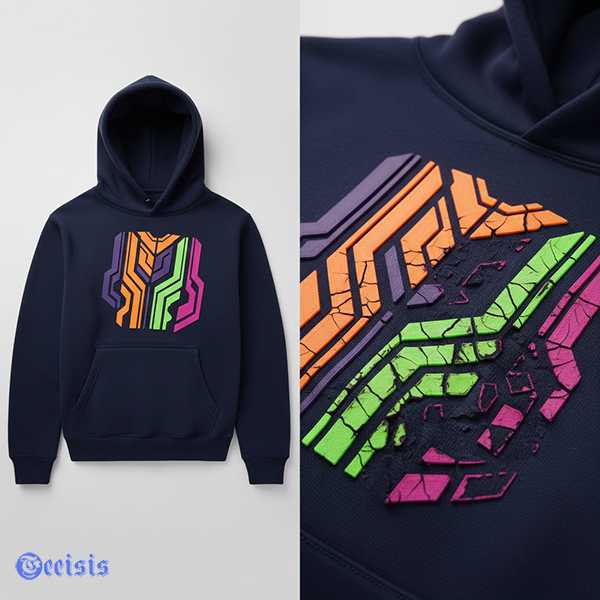
Understanding how to keep 3D printed hoodie graphics from cracking starts with identifying the major factors that contribute to print damage:
Heat Exposure:
High temperatures—from hot wash cycles or intense dryer settings—can cause print layers to stiffen and lose flexibility. When this happens, cracks begin to form as the material becomes brittle. Studies from textile specialists show that both hot water and high-heat drying can accelerate ink breakdown and lead to cracking or peeling. Maintaining low temperatures during washing and drying is one of the most effective ways to protect the print.
Friction and Abrasion:
When hoodies rub against zippers, denim, rough fabrics, or even the inner drum of the washing machine, the constant abrasion wears down the print surface. Over repeated wash cycles, these tiny abrasions expand into visible cracks that weaken the adhesion of the graphic.
Harsh Chemicals:
Strong detergents, bleach, and fabric softeners can degrade both the print layer and the fibers holding it in place. Research indicates that fabric softener residues can interfere with print durability and reduce long-term adhesion. Using gentler detergents helps the print maintain its elasticity and color integrity.
Improper Drying Methods:
Extended tumble-drying or exposure to high heat creates a combination of thermal stress and mechanical agitation. This accelerates wear on printed areas and often leads to early cracking—especially when the hoodie isn’t turned inside out or otherwise protected.
Poor Quality Materials:
Inexpensive inks and transfer films are less flexible and break down more quickly under normal washing conditions. Compared to professional-grade print materials, lower-quality options tend to crack faster, regardless of how carefully the garment is washed.
Preparing Your Hoodie Before Washing
Quick Check and Sorting Your Laundry
Before cleaning your 3D printed hoodie, take a moment to look it over for any stains, loose fibers, or early signs of print wear. Treating small spots right away with a gentle method can help you avoid running the entire hoodie through a wash cycle unnecessarily.
To protect both the fabric and the print, organize your laundry by separating:
- Light garments from dark ones to prevent color transfer
- Printed items from clothing with zippers, snaps, Velcro, or abrasive textures
- More delicate pieces from heavier items like denim or towels
Laundry experts advise that DTF-printed garments should be washed separately from rougher fabrics, as harsher materials can scrape against the print and lead to peeling or cracking during the wash.
The Protective Step Most People Forget: Flip Inside Out
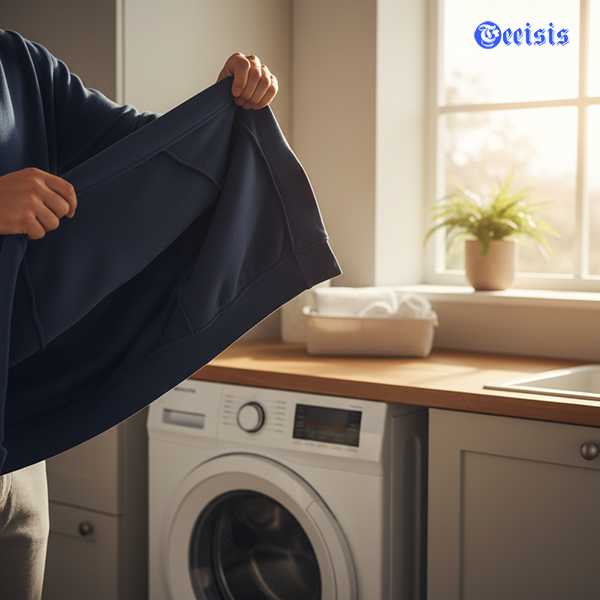
The most important step you can take to protect 3D printed graphics during washing is simply turning your hoodie inside out. This quick action creates a protective barrier that shields the print from direct friction with other clothes, the washer drum, and any rough surfaces.
By washing your hoodie inside out, you significantly reduce the amount of rubbing the graphic experiences throughout the cycle. This helps prevent scuffing and premature wear. Industry research shows that this method can noticeably reduce cracking and fading over time.
For an added layer of protection, place the inside-out hoodie into a mesh laundry bag before washing. This minimizes unnecessary movement while still allowing water and detergent to circulate effectively, keeping the hoodie clean without overexposing the print to friction.
Washing Instructions for 3D Prints (The Safe Method)
Why Cold Water Is Non-Negotiable

When choosing the right temperature to wash a 3D printed hoodie, cold water is always the safest and most effective option. Set your washer to the cold setting or the lowest temperature available—ideally 30°C (86°F) or below.
Washing in cold water provides several key advantages for preserving printed designs:
- Helps prevent ink from cracking, bleeding, or stiffening
- Keeps colors bright and reduces overall fading
- Minimizes fabric shrinkage that can put tension on the print
- Saves energy while extending the life of the garment
Printing professionals note that cold water between 30–40°C on a gentle cycle is recommended for maintaining print durability across all major methods, including DTG, DTF, and screen printing.
Using hot water, on the other hand, speeds up the breakdown of print materials by drying out the ink and causing it to crack earlier than expected. Even warm water can gradually reduce print quality over repeated washes. For long-term care, cold water remains the only temperature that consistently protects 3D printed graphics.
Choosing the Right Machine Settings
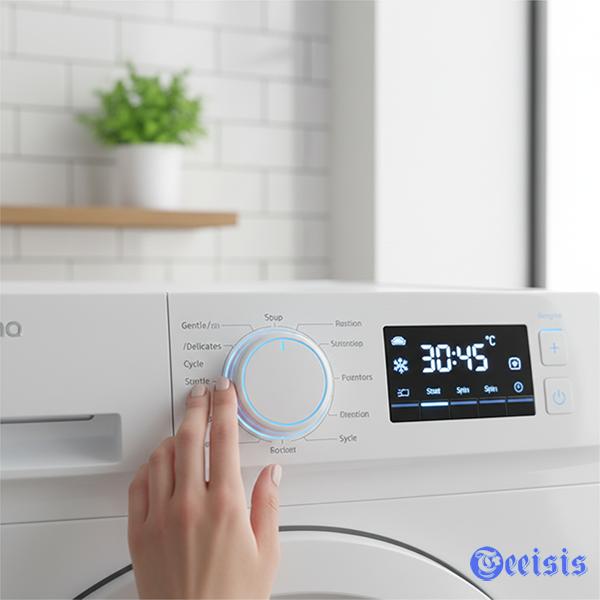
Choose the delicate or gentle wash cycle on your machine, as these settings use slower spin speeds (around 600 rpm) and help reduce the amount of mechanical stress placed on your hoodie. Be sure not to overload the washer—when too many items are packed together, they rub more aggressively and the wash becomes less effective.
A gentle cycle still provides enough movement to lift dirt and freshen the fabric, but without the intense agitation found in standard settings. This creates a balance between effective cleaning and preserving the printed design, helping your hoodie stay in good condition for much longer.
Picking a Hoodie-Safe Detergent
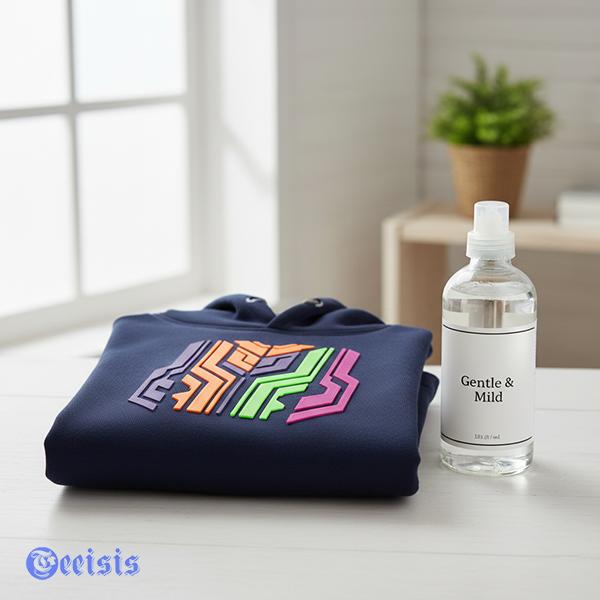
Choose a gentle liquid detergent designed for delicate fabrics. Liquid formulas break down more evenly in water compared to powders, reducing the chance of leftover residue that can dull or distort the appearance of printed graphics over time.
It’s also important to stay away from the following products:
Bleach:
A firm “no,” as chlorine-based bleach can strip color from prints and weaken the ink layer.
Fabric Softener:
Leaves a coating on the fabric that disrupts print adhesion and can lead to premature peeling.
Strong Stain Removers:
Harsh chemical blends can degrade the print material and damage the surface of the design.
Research from apparel-care specialists shows that using mild detergents free of bleach and strong additives helps preserve the structure of printing inks and transfer materials, all while cleaning effectively.
When washing, use a slightly smaller amount of detergent than you normally would. Too much detergent produces excess foam, which requires longer rinsing. This can increase friction and prolong your hoodie’s exposure to movement inside the washer, contributing to unnecessary wear.
When Hand Washing Is the Better Choice
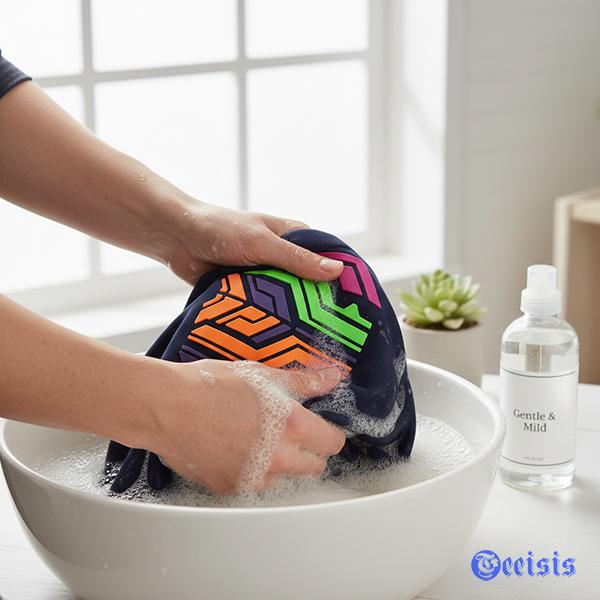
For 3D hoodies that are especially delicate or hold sentimental or monetary value, hand washing is the safest cleaning option. This method allows you to control how much friction, movement, and pressure the hoodie is exposed to throughout the wash.
Hand washing steps:
- Fill a sink or basin with cold water
- Add a small amount of gentle liquid detergent
- Place your hoodie inside-out into the water
- Move the water lightly with your hands for about 2–3 minutes
- For tougher stains, softly brush the affected area with a soft-bristle brush
- Drain the soapy water and rinse thoroughly with clean cold water
- Repeat the rinse until no detergent residue remains
Textile experts note that hand washing screen-printed and graphic garments is highly effective at removing dirt while staying gentle on the print, making it an ideal choice for limited-edition pieces or special-occasion hoodies.
Avoid wringing or twisting the hoodie at any point, as this can stress both the fabric and the printed areas. Instead, press the water out gently or roll the hoodie in a clean towel to absorb excess moisture.
Drying Techniques That Protect the Print
Why You Should Avoid High Heat
The drying stage is one of the most delicate moments for hoodies with printed graphics. Excessive heat from dryers can soften or weaken the adhesive layer, cause inks to harden and lose elasticity, and eventually make the design crack or separate from the fabric.
Many professional garment-care resources warn against using high-heat dryer settings, noting that prolonged exposure to elevated temperatures is a leading cause of early print deterioration.
Heat can also shrink the fabric, placing additional tension on the printed sections. When the material tightens and the ink becomes rigid, stress cracks form more easily. This combination of shrinkage and heat-induced ink damage makes tumble drying particularly unsafe for hoodies with 3D or raised prints.
The Right Way to Air Dry a 3D Hoodie
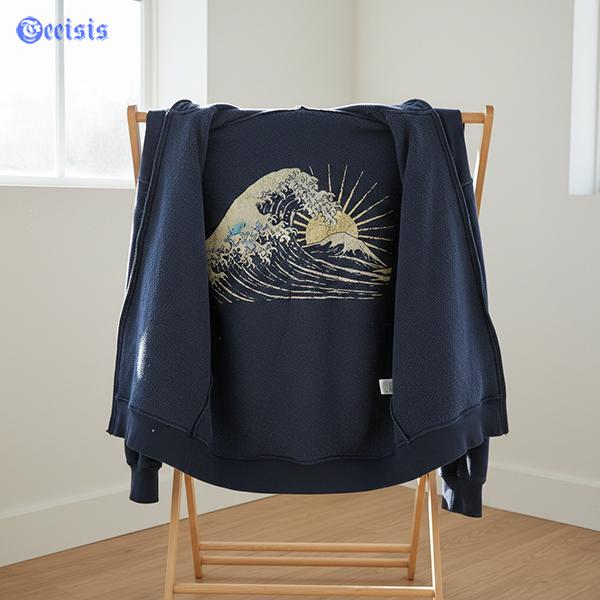
Air drying is considered the most reliable way to protect printed hoodies. Because this method avoids heat and reduces movement, moisture can evaporate naturally without stressing the fabric or the design.
Proper air-drying steps:
- Keep the hoodie inside out so the print stays shielded while drying
- Gently reshape the garment to its original form
- Hang it on a wide, padded hanger or lay it flat on a clean towel or surface
- Place it in a breezy, shaded area where air can circulate freely
- Give it 24–48 hours to dry fully, depending on humidity
Direct sunlight should be avoided, as it can fade colors and cause heat buildup that harms printed graphics. Care experts recommend drying garments in well-shaded, airy spaces to maintain color vibrancy while ensuring efficient airflow.
For thicker or heavier hoodies, laying them flat to dry is often the safer choice. This prevents the fabric from stretching under the weight of water—something that can distort both the garment’s shape and the printed design when hung while still damp.
Tumble Dry Low: Only When Absolutely Necessary
If you’re short on time and must use a dryer, choose the lowest heat setting available. While this option isn’t as safe as air drying, using minimal heat and controlling the cycle can help reduce potential damage. Always remove the hoodie while it’s still slightly damp.
Machine drying tips:
- Choose “low heat” or “delicate” mode
- Dry only lightweight garments together
- Limit the cycle to 10–15 minutes
- Take the hoodie out as soon as the timer ends
- Finish drying by laying it flat or hanging it up
Take the hoodie out of the dryer before it dries completely and let it finish air drying. This combination helps decrease heat exposure while still shortening the overall drying time compared to air drying alone.
Avoid dryer sheets and liquid fabric softeners. These products coat the fibers and can interfere with the adhesion of printed graphics, sometimes leading to early cracking or peeling.
Keeping Your Hoodie Neat: Ironing & Storage
Ironing Without Ruining the Print
Proper ironing helps your hoodie maintain a neat, polished appearance—without putting the printed areas at risk. Direct contact with a hot iron can flatten raised textures, melt certain print materials, or speed up cracking, so extra care is required.

Safe ironing steps:
- Make sure the hoodie is fully dry before you begin
- Turn the garment inside out to protect the printed side
- Select the lowest heat level suitable for the fabric
- Place a thin cotton cloth or parchment sheet between the iron and the print if ironing the exterior
- Keep the iron slightly elevated over thick or raised 3D elements
- Use steam sparingly to avoid adding excess moisture
Professional textile care experts caution against ironing too often, since repeated exposure to heat can weaken the print, making it more likely to crack or peel with time.
If you want a safer alternative, a handheld garment steamer is an excellent option. Hold it 2–3 inches away from the surface to release wrinkles gently without letting intense heat come in direct contact with the printed graphics.
Storing Your Hoodie the Smart Way

How you store your 3D printed hoodies when they’re not being worn plays a major role in preserving both the fabric and the printed graphics. Proper storage helps prevent creasing, crushing, and environmental damage that can shorten the lifespan of the design.
Best storage practices:
- Fold the hoodie gently, making sure not to create sharp creases across printed areas
- Keep it in a cool, dry environment and out of direct sunlight
- Avoid sealing it in plastic bags, which can trap moisture and lead to mildew
- For long-term storage, use breathable garment bags
- Store away from rough or abrasive items that could rub against the print
If you prefer hanging your hoodies, choose wide, padded hangers that distribute weight evenly and avoid putting stress on the shoulders. Thin metal hangers can stretch the fabric and distort printed graphics over time.
It’s also a good idea to rotate which hoodies you wear instead of relying on the same one continuously. This reduces how often each hoodie needs to be washed and gives both the fabric and the print time to recover between uses.
Advanced Tips for Long-Lasting Prints
Gentle Steps for Treating Stains
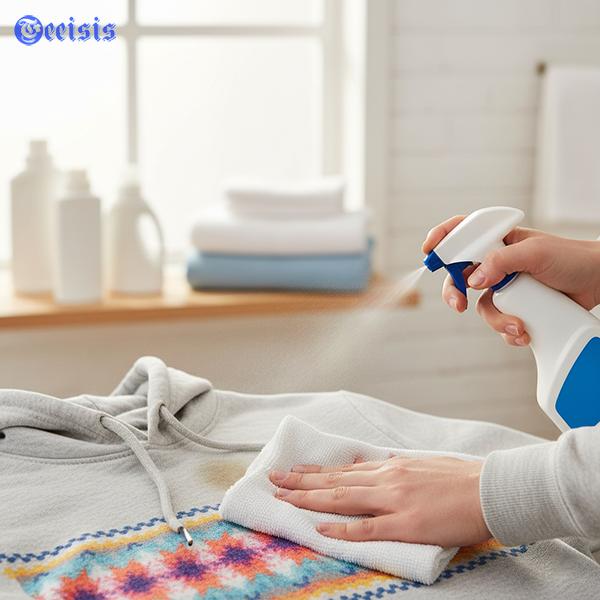
Treat stains as soon as they appear, but use methods that are gentle enough to avoid harming the printed sections around them. Quick action is the key: remove the stain while avoiding strong chemicals or intense scrubbing that could damage the graphic.
Spot cleaning steps:
- Blot fresh spills immediately using a clean, absorbent cloth
- For new stains, apply a small amount of mild detergent to the spot
- Work the detergent into the fabric with your fingertips or a soft brush
- Rinse thoroughly with cold water
- For more stubborn marks, try a little hydrogen peroxide or white vinegar
- Always test any stain remover on a hidden area first
- Wash the full garment after spot cleaning to remove any residues
Avoid putting stain removers directly on the printed design, as concentrated chemicals can weaken or discolor ink even if the surrounding fabric looks unaffected.
How to Reduce Wear Between Washes
Lowering your wash frequency is one of the easiest ways to protect both the hoodie and its printed design. By addressing small issues without running a full wash cycle, you can keep the garment fresh while significantly extending the life of the print.
How to care between washes:
- Air out your hoodie after wearing to naturally release odors
- Spot clean light marks instead of washing the whole garment
- Use fabric-safe refreshing sprays made specifically for printed apparel
- Light steaming can remove wrinkles without needing a wash
- Wear a base layer underneath to minimize oils transferring to the hoodie
Professional laundry specialists recommend washing garments only when necessary, noting that less frequent washing is one of the most effective ways to protect both fabric quality and print durability.
Preventing Fading Before It Starts
Print fading is a slow, natural process affected by several factors such as UV light, chemical exposure, and everyday friction. Although some amount of fading is unavoidable over long periods, proper care can significantly delay the loss of color and vibrancy.
Keep printed designs away from prolonged sunlight whether you’re wearing the hoodie or storing it. UV rays break down pigment particles and weaken the adhesive layers, leading to dull colors and making the print more vulnerable to cracking.
When washing more than one printed hoodie at a time, make sure they’re all turned inside out and grouped by similar colors. This helps prevent dye transfer, which can discolor lighter designs—an especially important precaution during the first few washes of darker garments.
Care Differences Between DTG, Screen Print & DTF
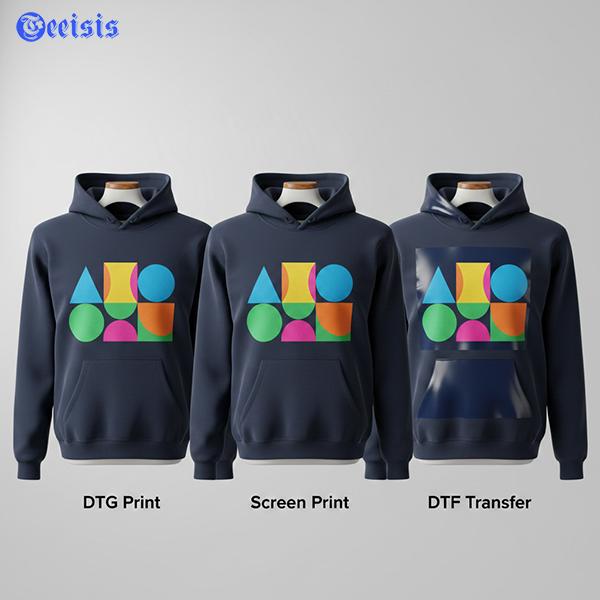
Different printing methods have unique care requirements, even though the basic principles of hoodie maintenance apply to all. Below is a breakdown of how to properly care for each type.
DTG Hoodie Care Guidelines
Direct-to-Garment printing uses water-based inks that sink into the fibers, resulting in soft textures and highly detailed artwork. DTG prints may carry a mild vinegar-like smell after production, but this typically disappears within the first few washes.
DTG hoodies respond best to cold-water washing and can handle low-heat tumble drying better than some other print types, though air drying remains the safest option. Since the ink absorbs into the fabric rather than forming a thick surface layer, DTG prints tend to hold up well when cared for properly.
Screen Printed Hoodie Care
Screen printing applies a thicker, more opaque layer of ink on top of the fabric, creating long-lasting, vivid designs. Professional screen printers note that properly cured screen prints can endure up to 100 washes when maintained correctly.
Because screen prints sit on the surface of the hoodie, they’re more vulnerable to friction and stretching. Turning the garment inside out and washing with cold water helps protect the raised ink. Try to avoid pulling or stretching the design, as this can cause cracks along the ink’s natural stress points.
DTF and Heat Transfer Hoodie Care
Direct-to-Film and heat transfer printing methods bond designs to the fabric using adhesive films activated by heat and pressure. These prints are flexible, vibrant, and capable of capturing fine detail.
DTF transfers have been shown to withstand over 50 washes without significant fading or cracking, as long as proper washing instructions are followed. For newly printed hoodies, wait 24–48 hours before washing them to allow the adhesive layer to fully cure and bond with the fabric.
Common Mistakes That Ruin 3D Prints
Understanding which habits to avoid is just as important as following correct washing methods. Steering clear of the mistakes below will help protect your 3D printed graphics from early deterioration:
Avoid the following:
- Washing hoodies in warm or hot water
- Using bleach or strong stain removers directly on or around printed areas
- Adding fabric softener during the wash or drying cycle
- Drying garments on high heat
- Placing an iron directly over any printed design
- Twisting or wringing out wet hoodies
- Overloading your washer with too many items
- Washing alongside abrasive materials like denim or heavy towels
- Leaving hoodies to dry under harsh, direct sunlight
- Taking printed garments to the dry cleaner, as chemicals can harm the ink
- Pulling at any peeling or cracked portions of the design
- Using more detergent than necessary
Textile care professionals emphasize that washing garments after 24–48 hours of application allows adhesive to fully cure, making this waiting period crucial for newly printed hoodies to ensure long-lasting print durability.
When Professional Assistance Is the Better Choice
Even with proper care, there may come a time when your hoodie’s print shows noticeable deterioration. Knowing when to rely on a professional rather than trying to fix the issue yourself can help you preserve garments that matter most.
You may want to seek expert help for:
- Hoodies that are rare, collectible, or part of limited editions
- Items with emotional value that you don’t want to risk damaging
- Prints with widespread cracking, peeling, or fading across large sections
- Fabrics that require specialized cleaning methods
For small imperfections, you can use fabric touch-up markers or textile paint that matches your hoodie’s artwork, but keep in mind that these solutions are temporary. They can refresh the look but won’t permanently restore the print.
If the design shows severe peeling or extensive cracking, it often means the print has reached the end of its lifespan. At that point, having the design reprinted on a new hoodie usually provides a better long-term result than attempting a complicated repair.
Building a Reliable Wash Care Routine
Creating a steady care routine makes it easier to look after several printed hoodies at once. By forming simple, repeatable habits, you can ensure every hoodie in your collection receives the attention it needs to stay in great condition.
Key steps to include in your routine:
✓ Inspect for stains and treat them as soon as needed
✓ Always flip the hoodie inside out before washing
✓ Use a mesh laundry bag to minimize friction
✓ Choose cold water and a gentle or delicate wash cycle
✓ Stick to mild, additive-free liquid detergents
✓ Never use bleach, fabric softeners, or strong chemical cleaners
✓ Take the hoodie out of the washer as soon as the cycle ends
✓ Gently adjust the hoodie to its natural shape
✓ Let it air dry away from direct sunlight
✓ Store only when it is completely dry
✓ Wash less often to reduce wear on both fabric and prints
Staying consistent with these practices helps keep your 3D printed hoodies looking vibrant and structurally strong through many wears and washes.
Making Smart Buying Choices
When choosing new 3D printed hoodies, the quality of the materials and printing process plays a major role in how long the garment will last. Premium prints and fabrics are far more resilient and maintain their appearance better than budget options—especially when paired with proper care.
Questions to ask sellers before purchasing:
- What printing technique was used?
- What type and grade of ink were applied?
- How was the print cured or set?
- How many washes is the print expected to endure?
- Are there any specific care instructions for this hoodie?
Reputable brands typically offer clear wash-care guidelines and take pride in the durability of their printing methods. Although high-quality hoodies may have a higher upfront cost, their longevity often means you’ll save money over time compared to frequently replacing lower-grade alternatives.
Environmental Considerations
Taking proper care of your hoodies isn’t just good for preserving the print—it also supports environmentally responsible habits. Extending the lifespan of your clothing helps reduce textile waste, a growing concern in today’s fashion industry. Thoughtful garment maintenance plays a meaningful role in lowering your environmental footprint.
Using cold water instead of hot during washing cycles significantly cuts energy usage. Likewise, air drying eliminates the electricity consumed by dryers, all while being gentler on your printed designs. Reducing how often you wash your hoodies also saves water and minimizes the amount of detergent entering waterways.
When you keep your 3D printed hoodies in good condition, you naturally decrease how frequently you need to replace them. This reduces the demand for new manufacturing—an industry known for its environmental impact. In this way, responsible garment care becomes an investment not only in your wardrobe but also in a more sustainable lifestyle.
Final Thoughts: Keeping Your Hoodies Looking Their Best
Understanding how to properly wash 3D printed hoodies is one of the best ways to preserve both their financial value and the personal meaning they carry. Whether your hoodie features artwork, logos, custom graphics, or brand imagery, it deserves care that keeps it looking sharp and extends its lifespan.
The core principles are simple: use cold water, handle garments gently, choose mild detergents, turn them inside out, and rely on air drying. When practiced consistently, these habits significantly improve print durability while keeping colors bright and designs crisp—qualities that make 3D printed hoodies stand out in the first place.
Remember that good hoodie care begins the moment a new garment enters your wardrobe and continues with every wash. Establishing these habits now ensures your favorite pieces stay in excellent condition for years, looking almost as fresh as the day you first wore them.
By following the methods outlined throughout this guide, you’ll get the most from every printed hoodie you own—helping those bold, detailed designs stay vibrant and intact through countless wears, washes, and adventures.
Quick Care Reference Table
| CARE CATEGORY | BEST PRACTICE | WHY IT MATTERS |
|---|---|---|
| Water Temperature | Cold water (30°C / 86°F or lower) | Helps prevent cracking and keeps ink flexible |
| Wash Cycle | Delicate or gentle cycle (~600 rpm) | Limits agitation and reduces wear on prints |
| Detergent Choice | Mild, liquid detergent without additives | Cleans thoroughly without harming print materials |
| Garment Orientation | Wash inside-out | Shields printed areas from rubbing and abrasion |
| Bleach | Do not use | Causes fading and breaks down print structure |
| Fabric Softener | Avoid entirely | Leaves residues that weaken print adhesion |
| Drying Method | Air drying recommended | Eliminates the risk of heat damage |
| Tumble Dry | Low heat only when necessary | Lowers—but doesn’t fully remove—heat-related risks |
| Ironing | Inside-out, low heat, protective layer | Protects prints from direct heat contact |
| Wash Frequency | Wash only when needed | Minimizes cumulative stress on fabric and prints |
| Storage | Store flat in a cool, dry area | Reduces creasing and environmental deterioration |
| Stain Care | Spot treat with gentle cleaners | Removes stains without a full wash |
| Mesh Laundry Bag | Use for extra safeguarding | Adds an extra buffer against friction in the wash |
| Sun Exposure | Keep out of direct sunlight | Prevents fading and UV-related print damage |
| First Wash Timing | Wait 24–48 hours after printing | Allows adhesives and inks to fully set |
Key Takeaway: Sticking to the right care habits—using cold water, choosing gentle wash settings, opting for mild detergents, turning garments inside out, and air drying—helps your 3D printed hoodies maintain their color, detail, and durability. By following these steps consistently, you can enjoy hoodies that stay vibrant and free from cracking for many years.
